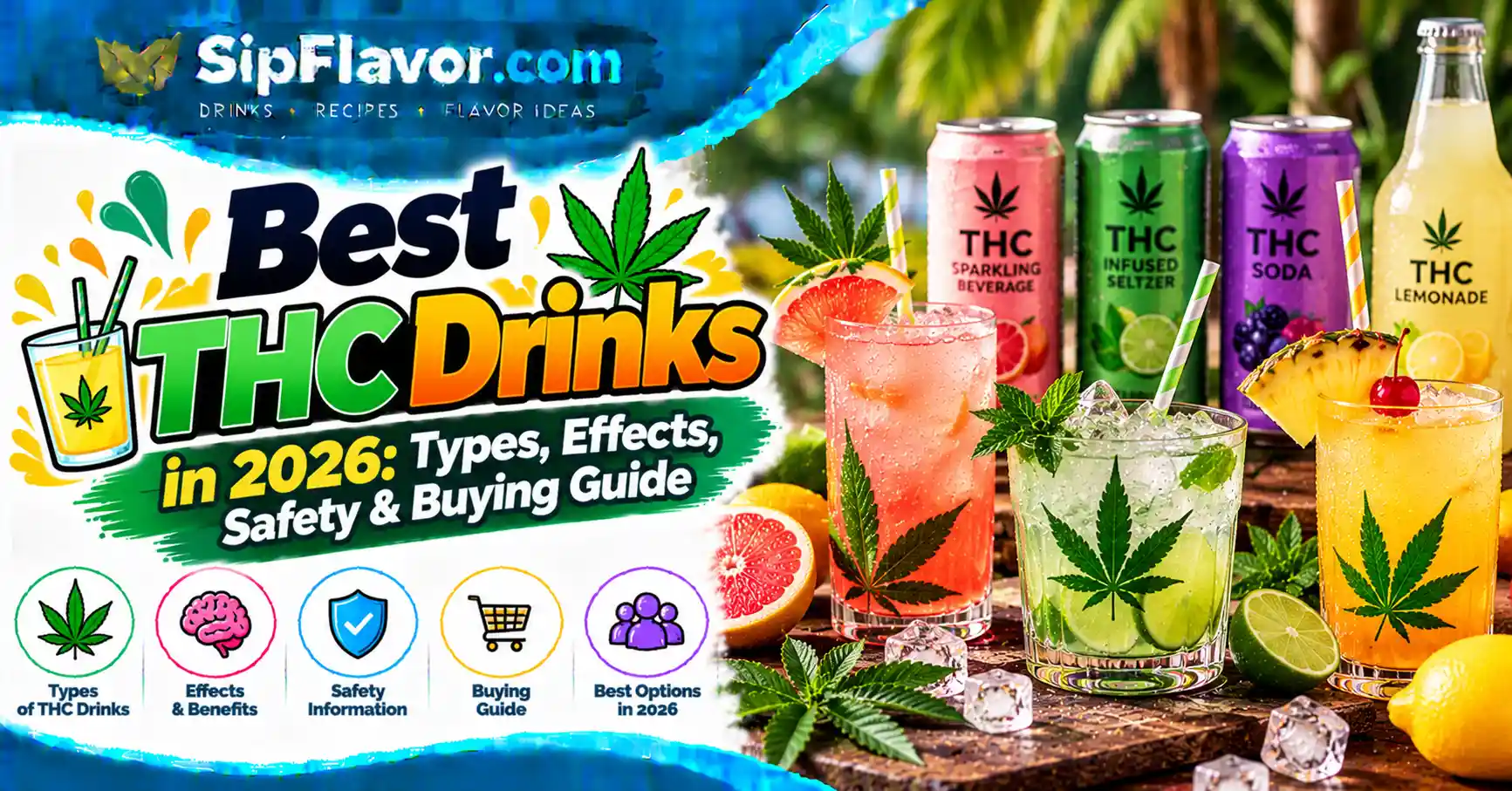
The best THC drinks depend on more than flavor or packaging. Adults comparing cannabis beverages should understand the THC content, ingredients, testing information, and possible effects before choosing a product.
In 2026, the US market includes sparkling seltzers, fruit drinks, sodas, botanical tonics, and cocktail-style beverages. This guide explores notable brands, drink formats, label information, safety concerns, and important legal differences.
Quick Answer
The best THC drinks in 2026 include products from brands such as Cycling Frog, Wynk, Cann, Cantrip, and Señorita. These brands appear in recent independent beverage roundups, but no single product is best for everyone
TL;DR
• Best for lighter flavors: Sparkling THC seltzers. • Best familiar taste: THC-infused soda. • Best fruit profile: Cannabis lemonade. • Check first: THC milligrams per serving. • Important: Effects may be delayed and unpredictable. • Legal status: Rules vary by state and product.
What Are THC Drinks?
THC drinks are beverages containing tetrahydrocannabinol, the primary intoxicating compound found in cannabis. They may contain cannabis-derived or hemp-derived cannabinoids.
Manufacturers incorporate THC into liquids using different formulations, including emulsions designed to disperse cannabinoids throughout the beverage. The result may resemble ordinary sparkling water, soda, tea, or juice.
Common Characteristics
• THC content: Listed in milligrams when properly labeled. • CBD content: Some products contain cannabidiol alongside THC. • Beverage base: May include sparkling water, juice, or tea. • Flavoring: Citrus, berries, herbs, and tropical fruit are common. • Sweeteners: Products may use sugar or sugar substitutes. • Serving size: One container may contain multiple servings. • Testing: Some manufacturers publish independent laboratory reports. • Effects: Intoxication varies by individual and formulation.
THC beverages are not equivalent to ordinary soft drinks. Their familiar appearance can make accidental consumption a serious concern.
THC Seltzers and Sparkling Waters
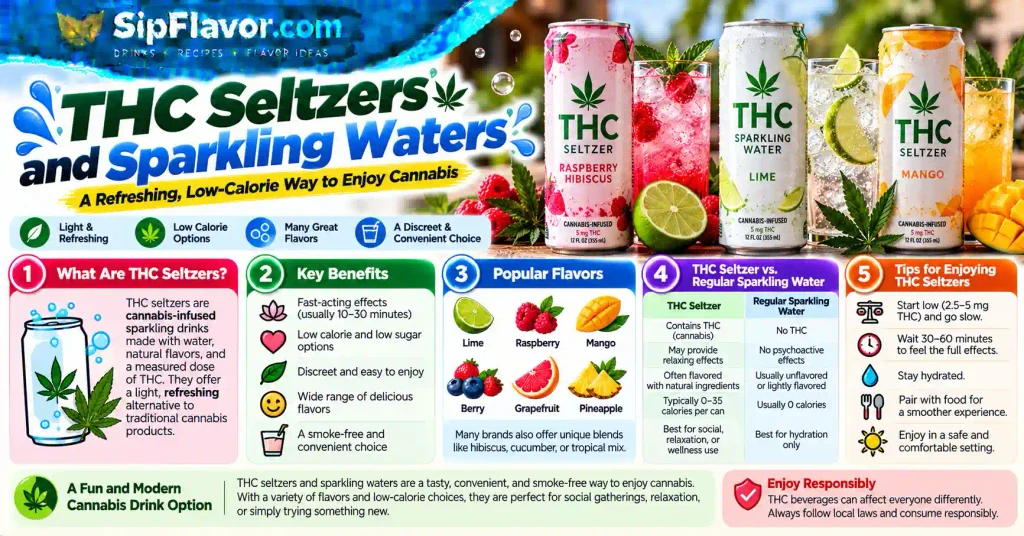
THC seltzers resemble flavored sparkling water. They usually have a carbonated base and may contain fruit flavorings, sweeteners, and cannabinoids.
These products appeal to adults comparing lighter beverage styles. However, a clear, low-calorie drink can still contain enough THC to cause substantial impairment.
Notable THC Seltzer Brands
• Cycling Frog: Offers fruit-forward hemp-derived THC beverages. • Wynk: Known for sparkling beverages combining THC and CBD. • Cornbread Hemp: Offers flavored THC seltzer products. • Crescent 9: Produces THC sparkling beverages with varying strengths. • Cann: Makes cannabis-infused social tonics. • oHHo: Appears in independent THC seltzer comparisons. • Happi: Produces flavored cannabis beverage options. • Oliphant: Offers a range of THC beverage flavors.
Brand offerings and legal availability can change. These are examples of products discussed in 2026 beverage coverage, not independently tested recommendations from Sip Flavor.
Leafly
+2
THC-Infused Sodas
THC-infused sodas combine familiar soft-drink flavors with cannabinoids. Cola, orange, grape, and fruit punch styles are among the available formats.
Soda-style beverages can contain considerable added sugar. Their sweetness may also disguise the presence of THC, making accurate labeling particularly important.
Popular THC Soda Styles
• THC Cola: Classic caramel and vanilla soda flavor. • Orange THC Soda: Sweet citrus profile with carbonation. • Grape THC Soda: Candy-like grape flavor. • Root Beer THC Soda: Vanilla and spice notes. • Cherry THC Soda: Sweet cherry flavor with a tart finish. • Cream Soda: Smooth vanilla flavor. • Ginger Soda: Ginger spice with carbonation. • Fruit Punch Soda: Mixed fruit flavors with sweetness.
Cantrip THC Cola is one example highlighted in Leafly’s October 2026 beverage roundup. Its presence in that roundup doesn’t establish that every batch has been independently verified here.
Leafly
THC Lemonades and Fruit Drinks
Fruit-based THC beverages use citrus juice, fruit flavors, or concentrates. Lemonade is especially common because its tartness balances sweet ingredients.
Unlike plain sparkling water, fruit beverages may contain more sugar. Ingredient labels help distinguish real juice, juice concentrates, and artificial flavoring.
Common Fruit Beverage Flavors
• Raspberry Lemonade: Tart berries and lemon. • Strawberry Lemonade: Sweet strawberry with citrus. • Mango Lime: Tropical mango and sharp lime. • Peach Tea Lemonade: Peach flavor with tea notes. • Blueberry Lemonade: Dark berry sweetness and acidity. • Watermelon Lime: Mild watermelon and bright citrus. • Pineapple Citrus: Tropical fruit with lemon or orange. • Black Cherry: Deep cherry flavor with mild tartness.
Cycling Frog’s raspberry lemonade is among the THC fruit beverages featured in 2026 product coverage.
Leafly
THC Teas and Botanical Drinks
THC teas combine cannabinoids with brewed tea, herbal infusions, or botanical flavorings. Some products use black or green tea, while others contain caffeine-free herbs.
Tea-based products differ considerably in their ingredients. A botanical label doesn’t establish medical benefits, and additional herbal extracts may create interaction concerns.
Common Tea and Botanical Formats
• Black Tea: Bold tea flavor and natural caffeine. • Green Tea: Grassy flavor and natural caffeine. • Hibiscus Tea: Tart, floral, and ruby-colored. • Chamomile Tea: Mild floral flavor without natural caffeine. • Mint Tea: Cool herbal profile. • Ginger Tea: Spicy botanical flavor. • Peach Tea: Fruity sweetness with a tea base. • Lemon Balm Tea: Light herbal and citrus notes.
People taking medications should review cannabinoid and botanical ingredients with a healthcare professional. Natural ingredients aren’t automatically free from side effects.
THC Mocktails and Social Beverages
THC mocktails are cocktail-inspired beverages that contain cannabis rather than traditional alcoholic spirits. Some resemble margaritas, spritzes, or botanical aperitifs.
Although these products may be alcohol-free, they aren’t necessarily non-intoxicating. THC can impair judgment, coordination, and reaction time.
Cocktail-Inspired THC Beverage Styles
• Margarita-Inspired: Lime-forward with citrus acidity. • Paloma-Inspired: Grapefruit flavor and carbonation. • Mojito-Inspired: Mint and lime. • Tropical Spritz: Pineapple and citrus. • Botanical Aperitif: Herbal and bittersweet flavors. • Berry Fizz: Berries and sparkling water. • Ginger Mule-Inspired: Ginger and lime. • Elderflower Spritz: Floral flavor with citrus.
Examples appearing in recent coverage include Señorita’s margarita-inspired drinks and Artet’s aperitif-style beverages.
Leafly
Low-Dose THC Drinks
Low-dose THC drinks contain relatively small labeled amounts of THC compared with stronger cannabis beverages. However, low-dose is a marketing description rather than a guarantee of safety.
Even small amounts can cause impairment in some people. Individual response depends on previous exposure, medications, health factors, and product formulation.
What to Examine on the Label
• THC per serving: The stated amount in milligrams. • THC per container: The total cannabinoid content. • CBD content: Whether cannabidiol is also present. • Serving count: How many portions the container contains. • Cannabinoid type: Delta-9 THC or another listed compound. • Laboratory report: Whether current results are accessible. • Warnings: Pregnancy, driving, and age restrictions. • Batch number: Information connecting the product to testing.
A beverage labeled 2 mg THC contains less THC than one labeled 10 mg, but that doesn’t mean it is risk-free.
Higher-Potency THC Drinks
Higher-potency THC beverages contain larger amounts of THC per serving or container. They may be marketed toward consumers with previous cannabis experience.
Higher concentrations increase the risk of unexpectedly intense intoxication. Previous cannabis use doesn’t guarantee predictable responses to a different beverage formulation.
Risks Worth Understanding
• Delayed effects: Intoxication may appear later than expected. • Overconsumption: Drinking more before effects appear increases risk. • Anxiety: Some people experience panic or paranoia. • Coordination: Balance and reaction time may deteriorate. • Concentration: Attention and judgment can become impaired. • Heart rate: THC can increase heart rate. • Medication interactions: Other substances may alter effects. • Accidental exposure: Concentrated products are especially concerning around children.
The CDC warns that cannabis-infused foods and drinks can produce unpredictable effects and accidental overconsumption.
CDC
THC vs. CBD Drinks
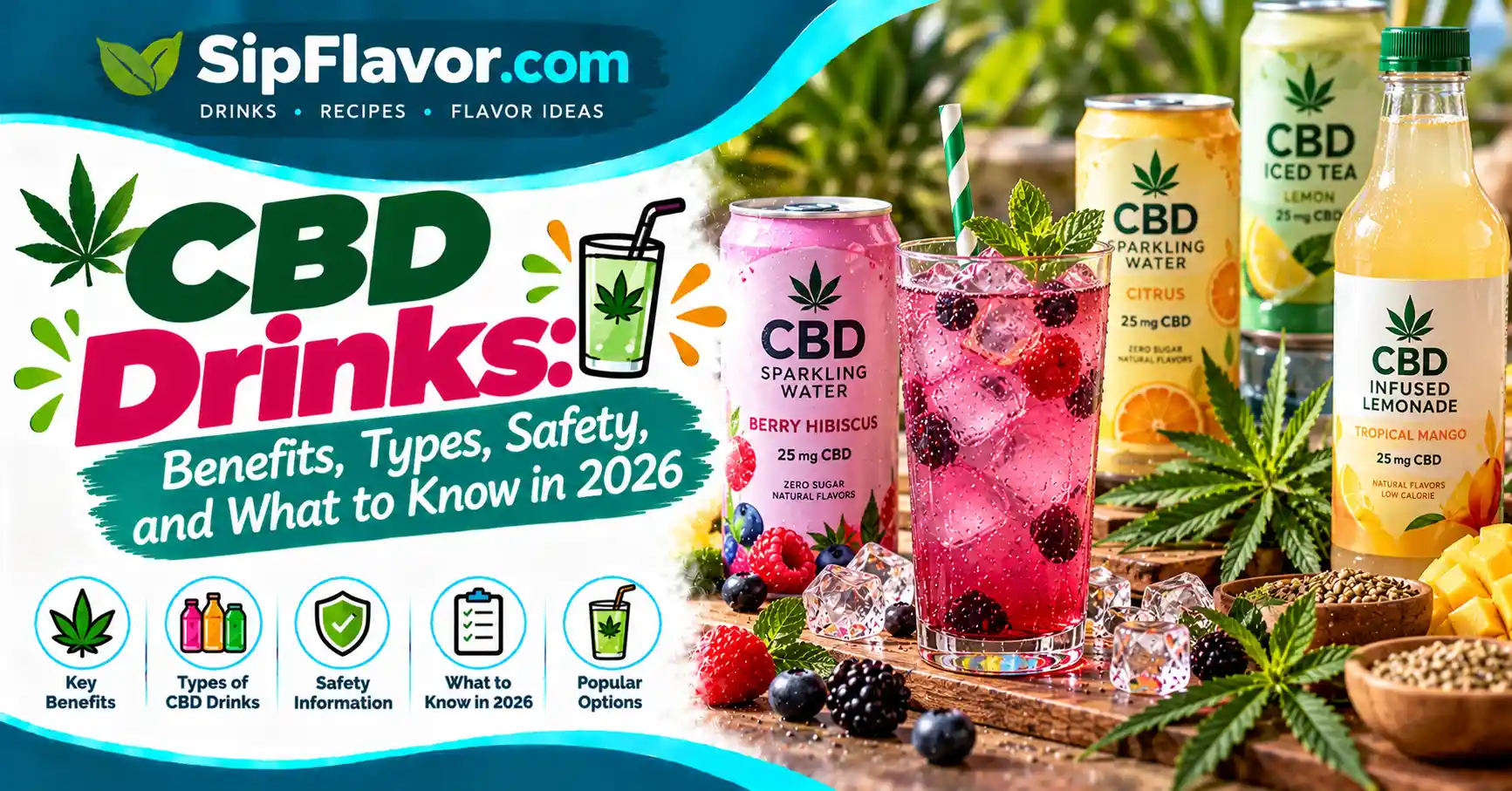
THC and CBD are both cannabinoids, but they have different effects. THC produces intoxication, while CBD generally does not create the same high.
Some beverages combine the two. However, a product containing CBD alongside THC can still cause impairment and shouldn’t be described as automatically safer.
Key Differences
• THC: Produces intoxicating effects. • CBD: Generally does not produce a THC-like high. • THC Beverages: May impair driving and coordination. • CBD Beverages: May still cause side effects or interactions. • Combined Products: Contain both cannabinoids. • Labels: Should state the amount of each cannabinoid. • Testing: Helps identify the measured cannabinoid profile. • Regulation: Requirements vary by product and jurisdiction.
Neither THC nor CBD beverages should be presented as treatments for anxiety, sleep disorders, pain, or other medical conditions without appropriate evidence and regulatory authorization.
How Long Do THC Drinks Take to Work?
The onset of THC beverage effects varies considerably. Some manufacturers advertise fast-acting formulations, but marketing estimates aren’t reliable predictions for every person.
The CDC states that cannabis-infused foods and drinks may take 30 minutes to two hours to produce intoxicating effects. Effects can last longer than expected.
CDC
Factors Affecting THC Drink Effects
• Formulation: Different products may absorb differently. • THC amount: Higher quantities can intensify effects. • Food intake: Eating patterns may influence onset. • Individual metabolism: Responses vary between people. • Cannabis experience: Prior exposure can affect response. • Other medications: Interactions may alter effects. • Alcohol use: Combining substances can increase impairment. • Product consistency: Inaccurate labeling creates uncertainty.
Do not assume that a drink has no effect simply because nothing happens immediately.
Ingredients in THC Drinks
The ingredient list tells you much more than the front label. Products can contain sweeteners, acids, flavorings, emulsifiers, preservatives, and additional cannabinoids.
Checking ingredients is especially important for people with allergies, dietary restrictions, or medication concerns. A natural-looking label doesn’t guarantee that a product is suitable for everyone.
Common Ingredient Categories
• Carbonated Water: Forms the base of sparkling beverages. • Fruit Juice: Adds flavor and naturally occurring sugars. • Sugar: Provides sweetness and calories. • Alternative Sweeteners: May reduce added sugar. • Citric Acid: Adds tartness. • Natural Flavors: Contribute fruit or botanical notes. • Emulsifiers: Help disperse oil-soluble cannabinoids. • Cannabinoid Extracts: Supply THC, CBD, or other cannabinoids.
Consumers should also check for caffeine, herbal extracts, and potential allergens.
How to Compare THC Drink Labels
Comparing THC beverages requires more than looking at flavor and price. Transparent labeling is particularly important because cannabinoid content affects intoxication risk.
A trustworthy product should provide clear serving information and accessible testing documentation. Claims such as fast-acting or premium aren’t substitutes for laboratory evidence.
Label Comparison Checklist
• Milligrams per serving: Verify the stated THC amount. • Total milligrams: Check the complete container. • Cannabinoid profile: Identify THC, CBD, and other compounds. • Laboratory certificate: Look for independent testing documentation. • Batch identification: Match the report to the product. • Contaminant screening: Check for pesticides, heavy metals, and microbes. • Ingredients: Review sugar, caffeine, and allergens. • Manufacturer details: Confirm the producer can be identified. • Warnings: Look for age and impairment information. • Expiration date: Check freshness and storage instructions.
A certificate of analysis, or COA, is useful only when it is genuine, current, and connected to the relevant batch.
Are THC Drinks Legal in the USA?
The legal status of THC drinks in the United States depends on the cannabinoid source, product formulation, federal rules, and state law. Retail availability doesn’t establish that a product is lawful everywhere.
Hemp-derived THC products have faced changing regulatory requirements, including federal legislative developments in 2025–2026. State restrictions may separately govern sales, shipping, potency, packaging, and age eligibility.
Important Legal Considerations
• Federal Law: Hemp and marijuana products have different legal frameworks. • State Law: Rules vary significantly between states. • Local Rules: Municipal restrictions may also apply. • Age Requirements: Retail sales may have adult-only restrictions. • Shipping: Interstate delivery may be restricted. • Dispensaries: Licensed cannabis stores follow state-specific requirements. • Product Limits: Some jurisdictions restrict THC concentrations. • Travel: Crossing state borders can create legal complications.
Check current official federal and state regulations before purchasing or traveling with THC beverages. A product marketed as hemp-derived is not automatically legal nationwide.
THC Drink Side Effects and Safety
THC beverages can cause intoxication and unwanted physical or psychological effects. The intensity varies with dose, individual sensitivity, and other substances.
The CDC identifies possible reactions including anxiety, confusion, panic, increased heart rate, and severe nausea. Cannabis use may also impair driving and increase the risk of injury.
CDC
Important Safety Precautions
• Driving: Never drive after consuming THC. • Alcohol: Avoid combining THC with alcohol. • Medications: Ask a healthcare professional about interactions. • Pregnancy: Avoid cannabis during pregnancy and breastfeeding. • Children: Keep all cannabis beverages inaccessible. • Delayed Effects: Do not consume more because effects haven’t appeared. • Mental Health: THC may worsen anxiety or other symptoms. • Heart Health: People with cardiovascular concerns should seek medical advice. • Unexpected Symptoms: Seek medical help for serious reactions. • Product Labels: Never rely solely on marketing claims.
For suspected poisoning in the United States, contact Poison Control at 1-800-222-1222. Call 911 for emergencies.
How to Store THC Drinks Safely
Safe storage matters because cannabis beverages can resemble ordinary soda or sparkling water. Their flavors and packaging may attract children.
THC products should be stored separately from everyday beverages. Original packaging, clear identification, and secure storage reduce the risk of accidental consumption.
THC Beverage Storage Checklist
• Original Packaging: Keep the product’s original label intact. • Locked Storage: Use a secure, child-resistant location. • Separate Shelves: Avoid mixing THC drinks with regular beverages. • Temperature: Follow manufacturer storage instructions. • Expiration Dates: Check the product before use. • Opened Containers: Follow the label’s refrigeration guidance. • Guests: Clearly identify cannabis-infused beverages. • Disposal: Follow local guidance for unwanted products.
Never transfer THC drinks into unlabeled bottles or ordinary beverage containers.
Non-THC Alternatives to Cannabis Drinks
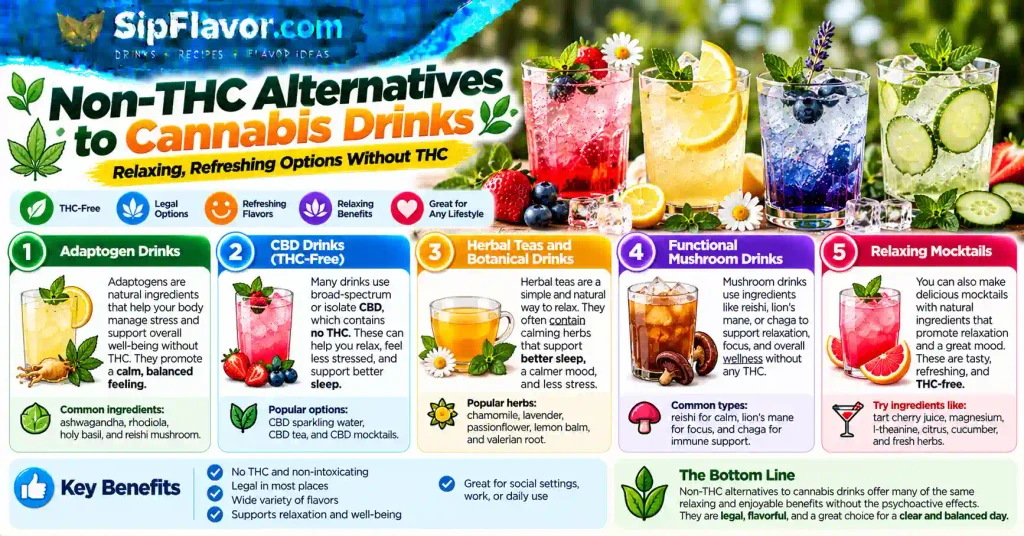
Not everyone seeking a social beverage wants intoxicating effects. Many familiar drink styles offer similar flavors without cannabis or alcohol.
Sparkling mocktails, botanical teas, and fruit spritzers provide alternatives for gatherings. These options also avoid the impairment associated with THC.
Alcohol-Free and THC-Free Drink Ideas
• Lime Mint Sparkler: Lime, mint, and sparkling water. • Strawberry Lemonade: Strawberry purée with fresh lemon. • Ginger Citrus Fizz: Ginger beer and orange juice. • Peach Iced Tea: Chilled tea with peach slices. • Cucumber Cooler: Cucumber, lime, and sparkling water. • Hibiscus Berry Tea: Hibiscus tea with mixed berries. • Pineapple Coconut Spritz: Pineapple juice and coconut water. • Watermelon Mint Cooler: Watermelon juice with mint.
For gatherings, label beverages clearly and provide choices without intoxicating ingredients.
FAQs
What are the best THC drinks in 2026?
Brands frequently discussed in 2026 beverage roundups include Cycling Frog, Wynk, Cann, Cantrip, and Señorita. The right comparison depends on verified THC content, ingredients, legal availability, and independent testing.
Are THC drinks stronger than edibles?
Not necessarily. Both deliver cannabinoids through ingestion, and effects depend on the THC amount and formulation. Some beverages are marketed as faster acting, but individual responses vary.
How long do THC drinks stay in your system?
THC and its metabolites can remain detectable after noticeable effects end. Detection depends on factors including frequency of use, the testing method, and individual metabolism.
Can THC drinks make you feel high?
Yes. THC is intoxicating and can affect mood, perception, coordination, and judgment. The intensity varies considerably.
Are hemp-derived THC drinks legal everywhere?
No. Federal and state rules differ, and restrictions can change. Always check official regulations for your location.
Can you mix THC drinks with alcohol?
Combining THC with alcohol can increase impairment and unwanted effects. Avoid mixing them.
Are THC drinks safe for beginners?
No THC drink can be guaranteed safe for everyone. People unfamiliar with THC may be especially vulnerable to unexpected effects, and anyone considering these products should understand the risks and relevant laws.
Conclusion
The best THC drinks in 2026 range from fruit-flavored seltzers and sodas to botanical tonics and cocktail-inspired beverages. Flavor matters, but transparent labeling, cannabinoid content, testing, and legal compliance deserve greater attention.
Before considering any THC beverage, check current local regulations and reliable safety information. If you prefer a social drink without intoxication, choose a THC-free sparkling mocktail, fruit spritzer, or iced tea.